Tag: gluten-free living

  • Simple Things That Make Healthy Living Easier After 50

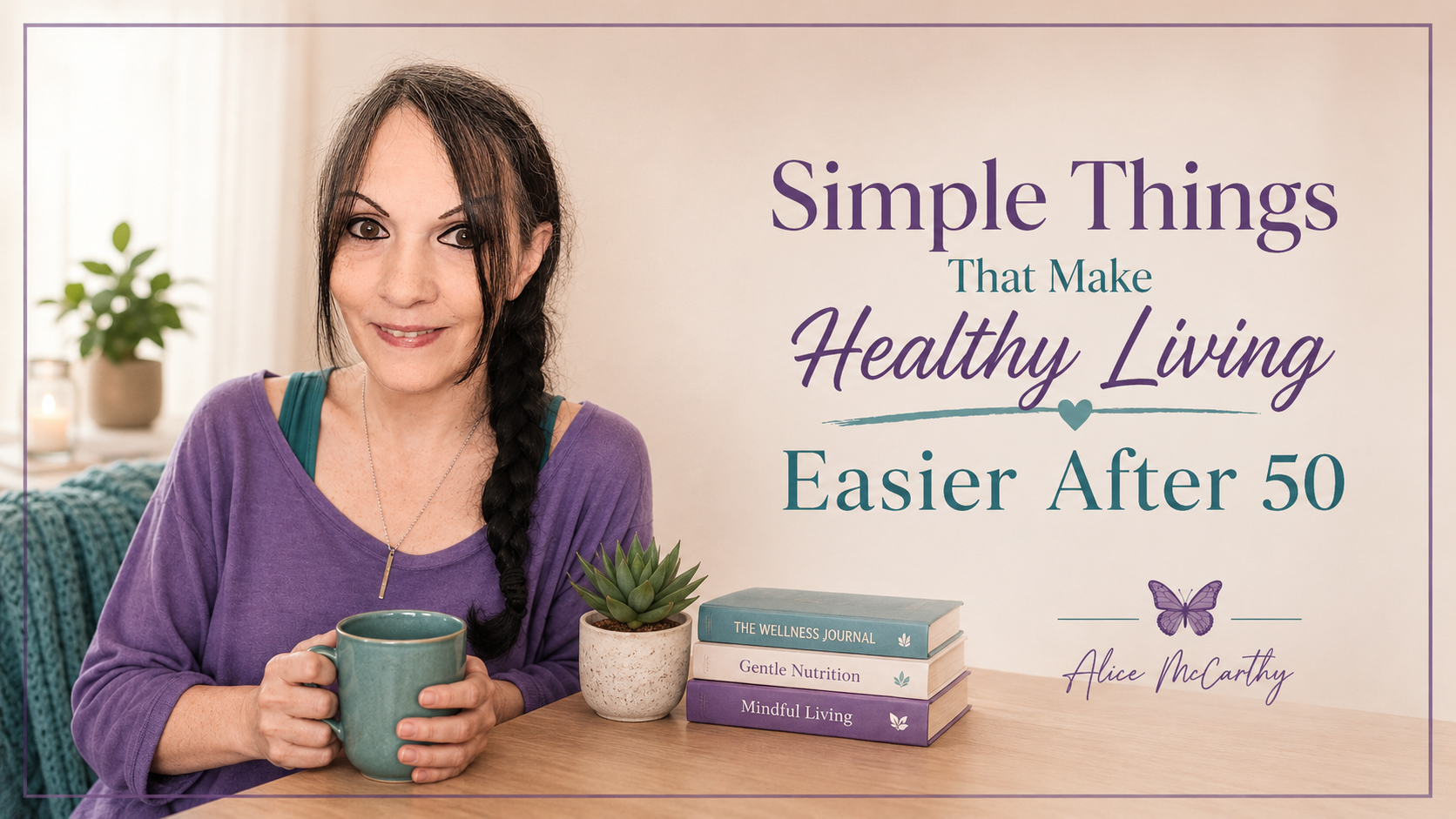
    Simple Things That Make Healthy Living Easier After 50

    .

    This post may contain affiliate links. As an Amazon Associate, I earn from qualifying purchases.

    Healthy living after 50 does not have to be extreme, expensive, or complicated.

    In fact, I think a lot of women are tired of being told they need a perfect plan, a perfect body, or a perfect routine to finally feel good. That kind of pressure gets old fast.

    What helps more is creating a life that makes better choices easier.

    For me, healthy living is not about chasing perfection. It is about simple things that support me day by day. The little habits, tools, and reminders that help me care for my body, my mind, my home, and my peace.

    Some of these things are practical. Some are encouraging. Some just make life feel a little more manageable. But together, they help create an environment where feeling better becomes more doable.

    And that is really the goal.

    Not harder.
    Just simpler and more sustainable.

    1. A Water Bottle I’ll Actually Use

    I know this sounds simple, but that is the point.

    Drinking more water is easier when water is right in front of me. If I have to think too hard about it, I am less likely to do it.

    A water bottle on the counter, beside my chair, in the car, or near my workout space helps me remember without making it a big project.

    Healthy habits often work better when they are visible.

    Not hidden.
    Not complicated.
    Not saved for Monday.

    Just right there where real life happens.

    2. A Mug That Helps Me Slow Down

    There is something about holding a warm mug that reminds me to pause.

    For me, coffee is not just coffee. It is often a moment to breathe, think, pray, or reset my mind before the day gets moving.

    Healthy living after 50 is not only about food and exercise. It is also about how we handle stress, how we speak to ourselves, and how often we allow ourselves to slow down.

    Sometimes a quiet moment with coffee, tea, or protein coffee can become a small routine that helps us feel grounded.

    And honestly, we need more grounded.

    Not more pressure.

    3. Books That Keep My Mind Growing

    I love having books around me.

    Books have helped me grow in faith, mindset, leadership, and life. I have always loved authors like John Maxwell for leadership and personal growth, and Joyce Meyer for faith, mindset, and everyday encouragement.

    After 50, we are not done learning.

    We are not done growing.

    We are not done becoming.

    A good book can remind us that our thoughts matter. Our words matter. Our habits matter. The direction of our life can still change one decision at a time.

    I do not read because I have everything figured out. I read because I want to stay teachable.

    That matters.

    4. A Kitchen That Makes Better Choices Easier

    One thing I have learned is this: your environment matters.

    If the kitchen is full of things that pull me away from how I want to feel, then I am going to have to fight harder. But when I make the better choice easier to see and easier to grab, I give myself support.

    That might look like keeping simple protein options available.

    It might mean having vegetables washed and ready.

    It might mean using glass containers so leftovers are easy to see.

    It might mean having a few gluten-free basics in one spot so the kitchen feels less stressful.

    Small setup changes can make a big difference.

    Healthy living is not always about more discipline. Sometimes it is about making the next right choice easier.

    5. Simple Movement Tools

    Movement does not have to take over your life.

    I am a big believer in simple movement. Squats in the kitchen. Pushups. A plank. Walking. Stretching. Stairs. A few minutes here and there.

    You do not need to turn your home into a gym to start moving your body.

    A few simple tools can help, but the truth is, your body is already enough to begin.

    A small set of hand weights, resistance bands, a good pair of sneakers, or even just a clear space on the floor can help you build strength little by little.

    After 50, I do not move because I hate my body.

    I move because I want to keep using it.

    That is a very different energy.

    6. A Home That Supports Peace

    Healthy living is also about the home we are living in every day.

    The products we use, the clutter we see, the smells we breathe in, the routines we build — all of it can either add stress or support peace.

    This does not mean we have to change everything overnight.

    It may start with one simple swap.

    One cleaner product.
    One less toxic choice.
    One cleared counter.
    One calming corner.
    One basket for the things that keep getting scattered.

    The older I get, the more I realize peace matters.

    A healthier home does not have to be perfect. It just needs to support the woman you are becoming.

    7. A Mindset of Progress, Not Perfection

    This may be the biggest one.

    Healthy living after 50 gets easier when we stop demanding perfection from ourselves.

    Perfection makes women quit.

    Progress keeps women moving.

    There will be days when you eat great and days when you do not. Days when you move your body and days when you need rest. Days when you feel strong and days when you feel like you are starting over again.

    That does not mean you failed.

    It means you are human.

    The goal is not to live perfectly. The goal is to keep returning to the habits that help you feel better.

    One meal.
    One walk.
    One glass of water.
    One prayer.
    One better thought.
    One small choice.

    That is how change becomes a lifestyle.

    Final Thoughts

    Healthy living after 50 does not have to be loud, strict, or overwhelming.

    It can be simple.

    A water bottle you actually use.
    A mug that helps you pause.
    Books that grow your mind.
    A kitchen that supports better choices.
    Movement that fits your life.
    A home that feels more peaceful.
    A mindset that gives you room to keep going.

    That is the kind of healthy living I want.

    Not perfect.
    Not extreme.
    Not all-or-nothing.

    Just simple things that make feeling better more doable.

    And that counts.

  • Gluten Is Not Just in Food: Simple Places to Check in Your Home

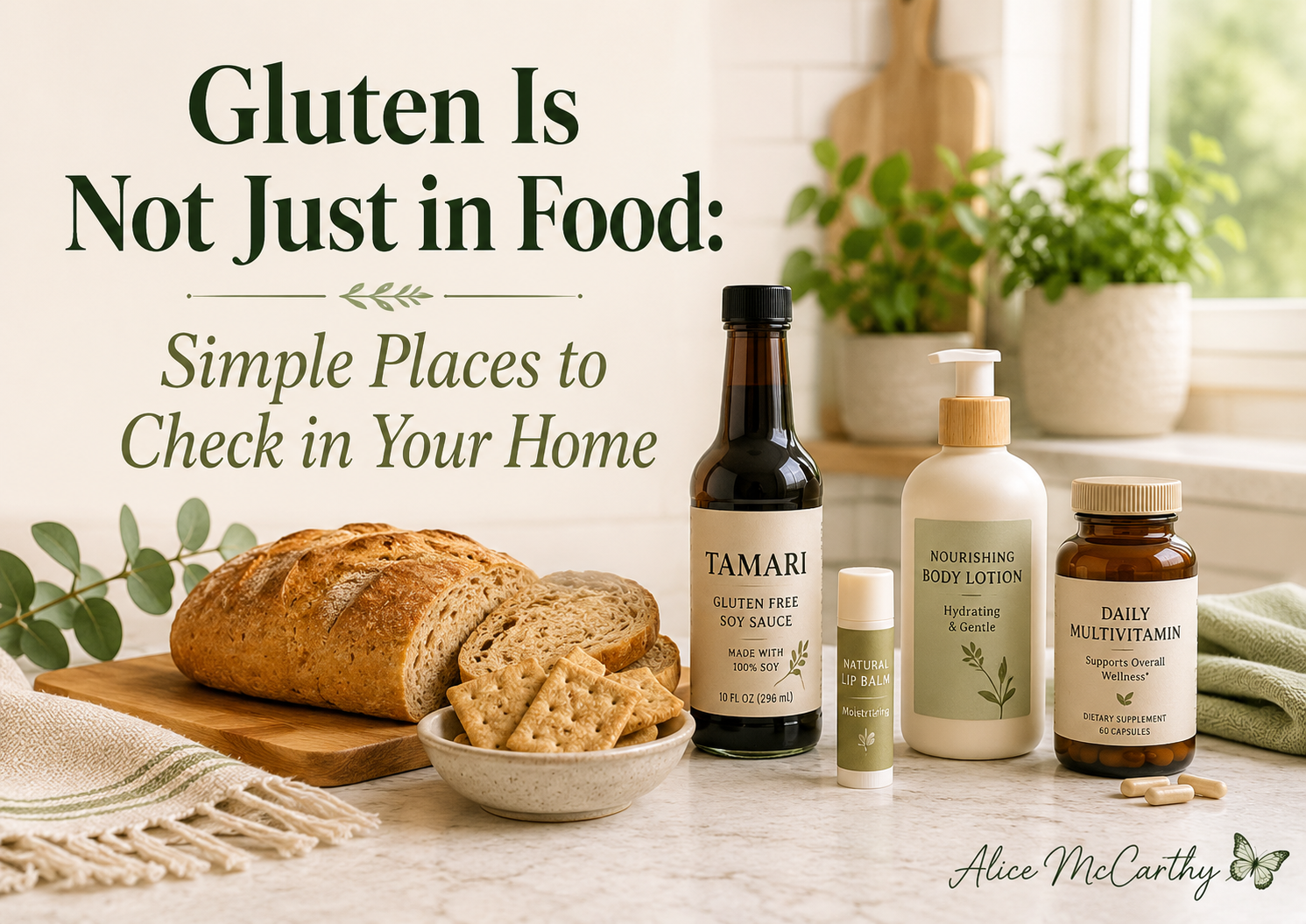
    Gluten Is Not Just in Food: Simple Places to Check in Your Home

    When people think about gluten, they usually think about bread, pasta, crackers, cookies, and baked goods.

    And yes, gluten can be in all of those.

    But here is something a lot of people do not realize at first:

    Gluten is not just in food.

    It can show up in places around the home that we might not even think to check.

    Now, I am not saying this to make life feel scary or overwhelming. That is not my style.

    I am saying it because once you know better, you can start making simple swaps.

    One product at a time.
    One label at a time.
    One habit at a time.

    That is how we build a healthier home without making ourselves crazy.

    Why Gluten Can Be Sneaky

    Gluten is a protein found in wheat, barley, and rye.

    Most of us know to check food labels, but gluten can also be used in other products as a thickener, binder, or ingredient.

    That means it may be hiding in everyday items.

    And if you are someone with celiac disease, gluten sensitivity, or you are trying to keep your home gluten-free for someone you love, those little details matter.

    Not because we need to live in fear.

    Because we want peace of mind.

    1. Check Your Skincare

    This is a big one.

    A lot of people only think about what goes in their mouth, but we also use products on our skin every single day.

    Things like:

    • Lotion
    • Face cream
    • Body wash
    • Lip balm
    • Sunscreen
    • Makeup
    • Hand cream

    Now, gluten cannot be absorbed through the skin the same way it affects the digestive system when eaten, but here is where I pay attention:

    If it is on your hands, lips, or face, it can accidentally get near your mouth.

    That is why I like to check labels, especially for lip products, hand products, and anything used around the mouth.

    Simple awareness. No panic.

    2. Check Lip Balm and Lipstick

    Lip products deserve their own little section because they are right on your mouth.

    Lip balm, lipstick, gloss, and chapstick can be easy places to overlook.

    If you are gluten-free, this is one of the first personal care products I would check.

    Look for products labeled:

    • Gluten-free
    • Free from wheat
    • Free from barley
    • Free from rye

    And remember, ingredients can change, so checking once in a while is a good habit.

    3. Check Supplements and Vitamins

    This one is important.

    Supplements, vitamins, drink mixes, protein powders, and fiber products can sometimes contain gluten or be made in facilities where gluten is present.

    Check things like:

    • Multivitamins
    • Probiotics
    • Fiber powders
    • Protein shakes
    • Greens powders
    • Collagen blends
    • Meal replacement drinks

    Look for clear labeling.

    If the label does not tell you enough, go to the company website or reach out to customer service.

    You are allowed to ask questions about what you are putting in your body.

    4. Check Medicine and Over-the-Counter Products

    Some medications and over-the-counter products may contain inactive ingredients that are not always easy to understand.

    This could include:

    • Pain relievers
    • Cold medicine
    • Chewable tablets
    • Antacids
    • Cough drops
    • Digestive aids

    If gluten is a serious concern for you or someone in your home, ask the pharmacist.

    That is what they are there for.

    You do not have to guess.

    5. Check Sauces, Seasonings, and Packets

    Now back to the kitchen for a minute.

    Gluten can sneak into things that do not look like “bread foods.”

    Check labels on:

    • Soy sauce
    • Marinades
    • Gravy packets
    • Seasoning blends
    • Soup mixes
    • Salad dressings
    • Bouillon cubes
    • Sauce packets

    This is where a lot of people get caught off guard.

    The front of the package may look safe, but the ingredient list tells the real story.

    6. Check Your Toaster and Cutting Boards

    This is one of those practical home things.

    If regular bread and gluten-free bread go into the same toaster, crumbs can be a problem.

    Same with cutting boards, wooden spoons, and surfaces that hold onto crumbs or residue.

    Simple swaps:

    • Have a separate gluten-free toaster
    • Use toaster bags
    • Keep a dedicated cutting board
    • Wipe counters before prepping food
    • Store gluten-free items away from regular flour and bread

    This does not have to be fancy.

    It just has to work.

    7. Check Pet Treats and Pet Food

    This one surprises people too.

    Some pet treats and foods may contain wheat or gluten ingredients.

    Now, I am not saying your pet needs to be gluten-free.

    But if you handle treats, feed the dog, wipe their mouth, or they lick your hands or face, it may be something to think about.

    Especially if someone in the home is very sensitive.

    Wash hands after handling pet food and treats.

    Simple. Real life. No drama.

    8. Check Kids’ Craft Supplies

    If you have grandkids around, this matters.

    Some craft supplies may contain wheat or gluten.

    Things like:

    • Play dough
    • Certain paints
    • Craft paste
    • Paper mâchĂ©
    • Some sensory products

    If little hands are playing and then touching snacks, faces, or kitchen surfaces, that can be a concern.

    Again, we are not trying to take all the fun out of life.

    We are just paying attention.

    9. Check Restaurant Leftovers and Shared Foods

    Sometimes gluten comes home with us.

    Restaurant leftovers, family party foods, shared dips, and takeout containers can be tricky.

    If the food was prepared near gluten, touched with shared utensils, or placed near breaded items, cross-contact can happen.

    This is why I like simple systems:

    • Label gluten-free leftovers
    • Keep them on a separate shelf
    • Use clean utensils
    • Do not double dip
    • Keep gluten-free snacks separate at gatherings

    It sounds small, but small habits protect peace.

    10. Swap Confusion for Simple Systems

    This is where I want women to breathe.

    You do not have to figure everything out overnight.

    Start with the products you use the most.

    Maybe this week you check your lip balm.

    Next week you check your supplements.

    Then your sauces.

    Then your skincare.

    That is how you make progress without feeling overwhelmed.

    Final Thoughts

    Gluten-free living is not about being perfect.

    It is about becoming aware.

    It is about learning where gluten may hide and making choices that support your health and your home.

    If you are over 50 and just starting to pay closer attention, you are not behind.

    You are learning.

    You are building new habits.

    You are creating a home that feels safer, simpler, and more supportive.

    That matters.

    One label.
    One swap.
    One step at a time.

    You got this. đź’ś

  • My Favorite Simple Gluten-Free Kitchen Swaps

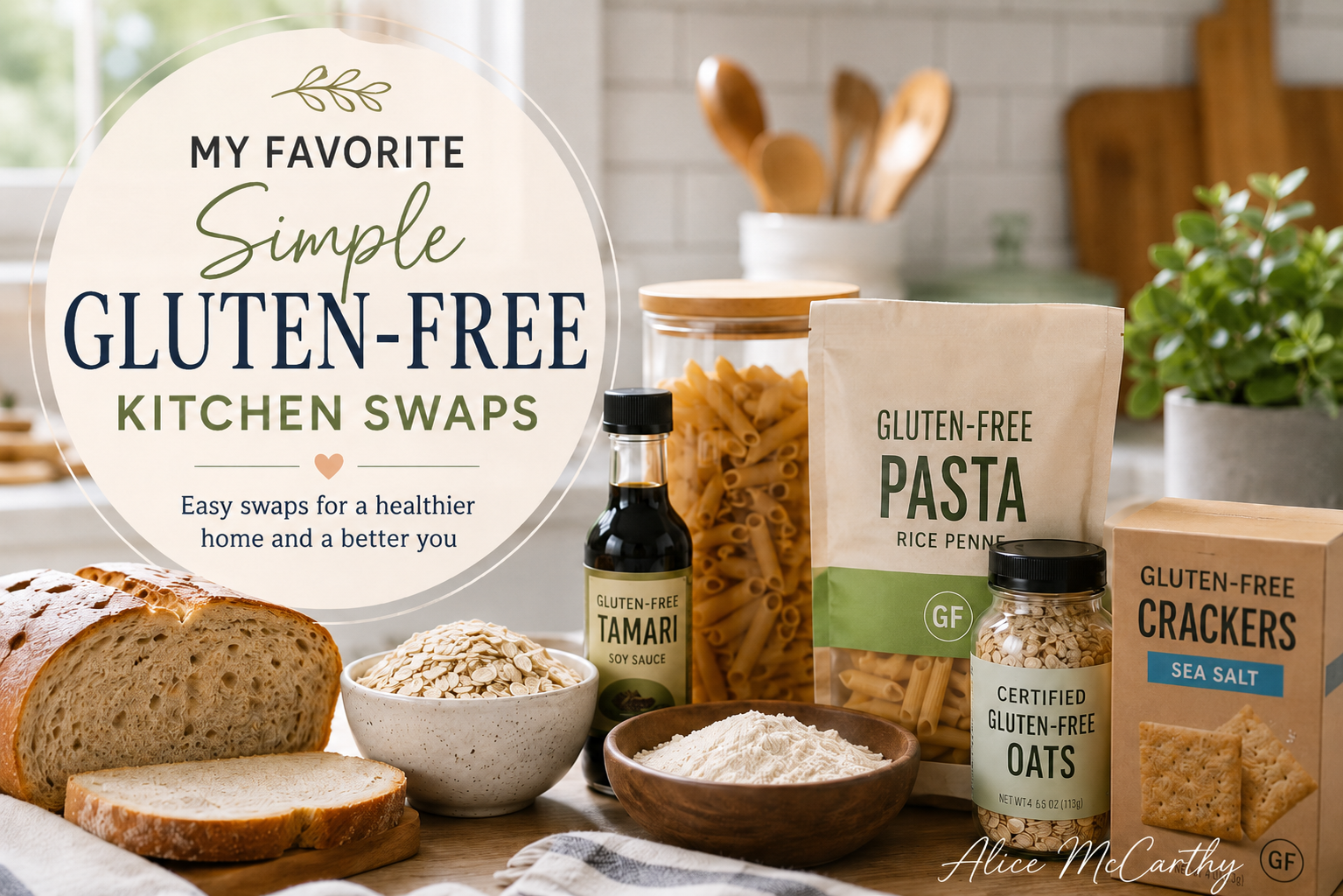
    My Favorite Simple Gluten-Free Kitchen Swaps

    When people hear gluten-free, they sometimes think it means hard, expensive, or giving up everything they enjoy.

    I get it.

    But honestly, living gluten-free does not have to be complicated.

    For me, it is about learning simple swaps. One choice at a time. One product at a time. One habit at a time.

    And if you are a woman over 50, a grandma, a mom, or someone trying to feel better in your body, the last thing you need is more overwhelm.

    You need simple.

    So today I am sharing some of my favorite gluten-free kitchen swaps that can help make your home feel easier, healthier, and more peaceful.

    1. Swap Regular Bread for Gluten-Free Bread

    This is usually one of the first swaps people think about.

    Now let’s be honest.

    Not all gluten-free bread tastes good. Some of it is dry. Some of it falls apart. Some of it tastes like cardboard with confidence.

    But there are better options now than there used to be.

    Look for gluten-free bread that has simple ingredients and works for how you actually eat.

    Toast it. Use it for eggs. Make a sandwich. Keep it practical.

    You do not need perfect. You need something that works.

    2. Swap Regular Pasta for Gluten-Free Pasta

    This is one of the easiest swaps because there are so many options now.

    You can find gluten-free pasta made from:

    • Brown rice
    • Corn
    • Chickpeas
    • Lentils
    • Quinoa blends

    My tip is this: do not overcook it.

    Gluten-free pasta can go from perfect to mushy real fast.

    Keep an eye on it and rinse it if the package says to. Some brands do better than others, so this may take a little trial and error.

    And that is okay.

    3. Swap Flour for Gluten-Free Flour Blends

    If you like to bake, gluten-free flour blends can be a lifesaver.

    A one-to-one gluten-free flour blend can usually replace regular flour in many recipes.

    This is great for things like:

    • Muffins
    • Pancakes
    • Cookies
    • Banana bread
    • Simple baked goods

    Now, gluten-free baking is not always exactly the same. Texture can be different.

    But again, we are not trying to win a baking show here.

    We are trying to make food our family can enjoy without gluten sneaking in.

    4. Swap Crackers for Gluten-Free Crackers or Veggies

    This is a simple one.

    Instead of regular crackers, keep gluten-free crackers on hand.

    You can use them with:

    • Cheese
    • Tuna
    • Chicken salad
    • Hummus
    • Peanut butter
    • Turkey slices

    You can also use cucumber slices, peppers, or apple slices if you want something fresh and crunchy.

    Simple does not mean boring.

    5. Swap Breadcrumbs for Gluten-Free Options

    Breadcrumbs hide in a lot of recipes.

    Meatballs, meatloaf, chicken coating, casseroles, and toppings can all have gluten.

    Easy swaps include:

    • Gluten-free breadcrumbs
    • Crushed gluten-free crackers
    • Almond flour
    • Crushed gluten-free cereal
    • Parmesan cheese, depending on the recipe

    This is one of those swaps that makes a big difference because gluten can sneak in when we are not thinking about it.

    6. Swap Soy Sauce for Gluten-Free Tamari or Coconut Aminos

    This one surprises people.

    Regular soy sauce usually contains wheat.

    So if you are cooking stir fry, marinades, sauces, or rice bowls, check the label.

    A simple swap is:

    • Gluten-free tamari
    • Coconut aminos

    This is one of those little pantry changes that helps make your kitchen safer and easier.

    7. Swap Regular Oats for Certified Gluten-Free Oats

    Oats are naturally gluten-free, but they are often processed around wheat.

    That means cross-contact can happen.

    If you use oats for oatmeal, protein bites, muffins, or breakfast bowls, look for certified gluten-free oats.

    That one word matters: certified.

    It gives you a little more peace of mind.

    8. Swap “I Think It’s Fine” for Reading Labels

    This is probably the biggest swap.

    Gluten can hide in places you would not expect.

    Things like:

    • Sauces
    • Seasoning packets
    • Gravy mixes
    • Salad dressings
    • Soups
    • Processed meats
    • Candy
    • Chips
    • Marinades

    This does not mean you need to panic.

    It just means you slow down and read the label.

    That is a habit.

    And habits get easier the more you do them.

    9. Swap Shared Toasters for a Gluten-Free Toasting Option

    If someone in your home still eats gluten, the toaster can be a problem.

    Crumbs matter.

    You can use:

    • A separate gluten-free toaster
    • Toaster bags
    • A clean pan
    • An air fryer with clean parchment

    This is especially important if someone has celiac disease or is very sensitive to gluten.

    It is not being dramatic.

    It is being careful.

    10. Swap Confusion for a Simple Gluten-Free Shelf

    One thing I love is making things visible and easy.

    Create a small gluten-free area in your kitchen.

    It could be:

    • One shelf
    • One cabinet
    • One basket
    • One pantry section

    Put your gluten-free items there so you are not digging around every day.

    Simple systems make healthy living easier.

    And at this age, we are not here to make life harder.

    Final Thoughts

    Going gluten-free does not have to mean changing everything overnight.

    Start with the foods you use most.

    Bread. Pasta. Flour. Crackers. Sauces. Oats.

    One swap at a time.

    That is how we build a kitchen that supports our health without feeling like we are starting over.

    And remember this:

    You are not behind.

    You are learning.

    You are paying attention.

    You are creating a home that works better for your body and your family.

    That matters.

    You got this. đź’ś